
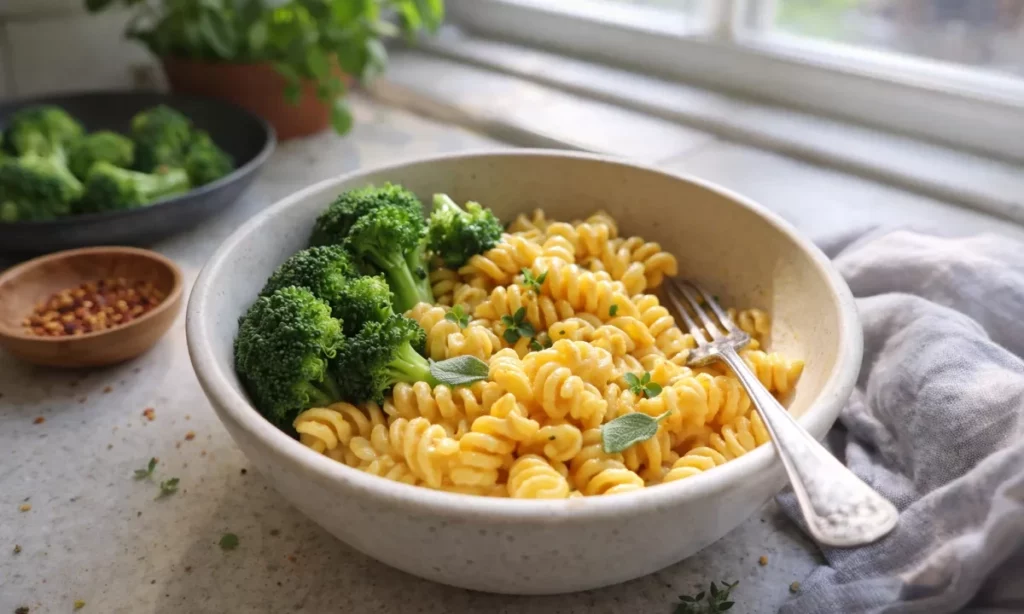
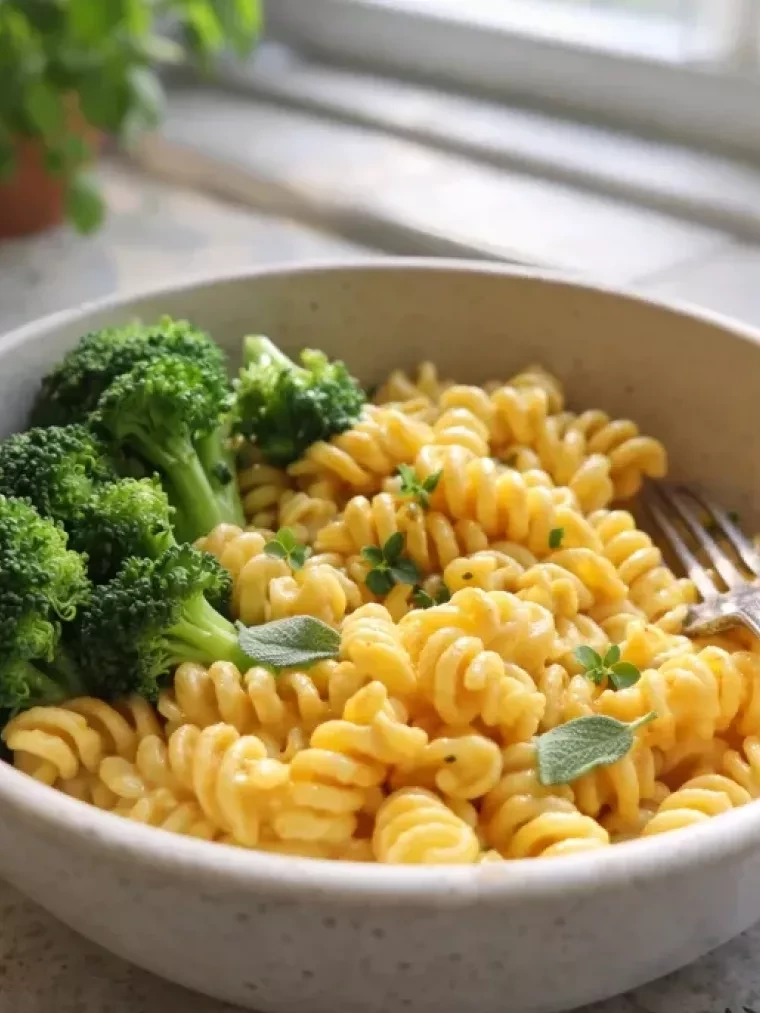
Butternut squash transforms into the most velvety sauce when roasted and blended with cream and pasta water. This creamy butternut squash pasta comes together in about 30 minutes and requires just a handful of ingredients—no complicated technique required. The natural sweetness of the squash balances beautifully with fresh sage and a touch of garlic, making this dish feel both comforting and refined enough for guests.
What Makes This Sauce So Creamy
The secret to this pasta’s silky texture lies in how you treat the squash. Roasting it first concentrates its flavor and makes it easier to blend into a smooth sauce. When combined with cream, pasta water, and a bit of butter, the roasted squash creates a naturally thick coating that clings to each strand of pasta without needing heavy cream or extra thickeners.
Pasta water is your friend here. The starch in the water helps emulsify the sauce and creates that restaurant-quality finish. Save about 1 cup of the cooking water before draining your pasta, then add it gradually to reach the consistency you prefer.
Roasting the Butternut Squash
Start by cutting a medium butternut squash in half lengthwise and scooping out the seeds. Brush the cut sides with olive oil, season with salt and pepper, and place cut-side down on a baking sheet. Roast at 400°F for about 35 to 40 minutes, until the flesh is very tender and slightly caramelized at the edges.
Let the roasted squash cool just enough to handle, then scoop the soft flesh into a blender. You should have about 2 cups of roasted squash. Blend it with 1 cup of heavy cream, 2 cloves of minced garlic, and a generous pinch of salt until completely smooth. This base is what you’ll toss with your cooked pasta.
Building Flavor With Sage and Garlic
Fresh sage is the herb that makes this dish shine. While your squash roasts, warm 3 tablespoons of butter in a large skillet over medium heat and add about 8 to 10 fresh sage leaves. Let them cook for a minute or two until fragrant, then add 3 minced garlic cloves and cook for another 30 seconds. This infused butter becomes the base for your sauce.
Pour the blended squash mixture into the butter and sage, then add 1 pound of cooked pasta (penne or rigatoni work well) directly to the skillet. Toss everything together, adding pasta water a little at a time until the sauce reaches a silky consistency that coats the pasta without pooling at the bottom of the pan. Finish with a squeeze of lemon juice, grated Parmesan, and a crack of black pepper.
How to Keep the Pasta From Turning Dry
The most common mistake is making the sauce too thick. It should look loose and creamy when you first combine it with the pasta—it will thicken slightly as it sits. If your sauce seems too thick, add more pasta water by the tablespoon until it reaches the right consistency. If it’s too thin, simmer it gently for a minute or two to reduce.
Serve the pasta immediately after tossing. The longer it sits, the more the pasta will absorb the sauce and dry out. If you’re making this ahead, keep the sauce and pasta separate and combine them just before serving.
Simple Add-Ins That Work Well
Toasted breadcrumbs sprinkled on top add a pleasant crunch and prevent the dish from feeling too heavy. Brown some panko with a bit of butter and garlic, then scatter it over each bowl just before serving. Crispy sage leaves also make a beautiful garnish and reinforce the herb flavor.
For protein, crumbled sausage or pancetta stirred into the sauce adds richness and a savory note. If you prefer to keep it vegetarian, roasted pine nuts or walnuts provide texture and depth. A handful of fresh spinach or kale tossed in at the end adds color and nutrition without overpowering the delicate squash flavor.
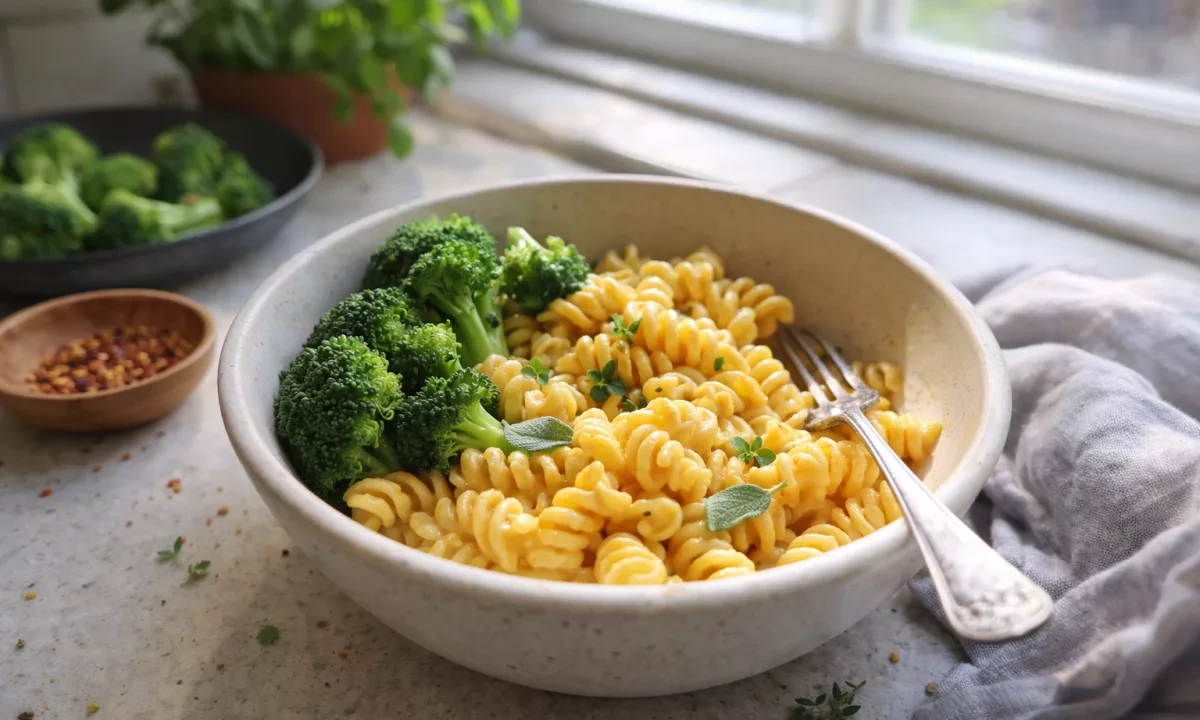
Creamy Butternut Squash Pasta
Silky roasted butternut squash combined with sage-infused butter and cream creates an elegant pasta sauce ready in about 30 minutes.
4
servings10
minutes40
minutesIngredients
1 medium butternut squash
3 tbsp butter
3 cloves garlic, minced
8 to 10 fresh sage leaves
1 cup heavy cream
1 lb pasta (penne or rigatoni)
1 tbsp olive oil
Salt and black pepper to taste
1 tbsp lemon juice
Grated Parmesan cheese for serving
Directions
- Preheat oven to 400°F. Cut butternut squash in half lengthwise and scoop out seeds.
- Brush cut sides with olive oil and season with salt and pepper. Place cut-side down on a baking sheet.
- Roast for 35 to 40 minutes until flesh is very tender. Cool slightly, then scoop into a blender.
- Blend roasted squash with 1 cup heavy cream, 2 cloves minced garlic, and salt until smooth.
- Bring a large pot of salted water to boil and cook pasta according to package directions. Reserve 1 cup pasta water before draining.
- While pasta cooks, melt butter in a large skillet over medium heat. Add sage leaves and cook for 1 minute until fragrant.
- Add remaining 1 clove minced garlic and cook for 30 seconds.
- Pour blended squash mixture into the skillet with sage and butter. Stir well.
- Add cooked pasta to the skillet and toss to combine, adding pasta water gradually until sauce is silky and coats the pasta.
- Finish with lemon juice, salt, and black pepper to taste.
- Serve immediately topped with Parmesan and additional sage if desired.
Frequently Asked Questions
Can I make this pasta ahead of time?
It’s best served fresh, but you can roast the squash and prepare the blended sauce up to 2 days ahead. Store the sauce in an airtight container in the refrigerator. Cook the pasta and combine with the sauce just before serving to maintain the best texture.
What type of pasta works best?
Tube pastas like penne, rigatoni, or ziti hold the creamy sauce well. You can also use fettuccine or tagliatelle for a more elegant presentation. Avoid thin pastas like angel hair, which may become mushy.
Can I use frozen butternut squash?
Yes, frozen roasted butternut squash works in a pinch. Thaw it completely and drain any excess liquid before blending. The texture may be slightly less smooth than fresh roasted squash, but the flavor will be similar.
Is there a dairy-free version?
You can substitute the heavy cream with coconut milk or cashew cream for a dairy-free option. Use the same amount and blend it with the roasted squash as directed. The flavor will be slightly different but still delicious.
How do I know when the butternut squash is done roasting?
The flesh should be very tender and easily pierced with a fork. The edges may have some light browning or caramelization, which adds flavor. If it’s still firm in the center, return it to the oven for another 5 to 10 minutes.





Leave a Reply